Hyaluronic acid is everywhere. It is in serums, moisturizers, sheet masks, foundations, and even lip balms. The marketing promises are consistent: plump, hydrated, dewy skin. And for many people, hyaluronic acid delivers exactly that. But for a significant minority, it does the opposite — leaving skin feeling tighter, drier, and more uncomfortable than before.
The issue is not the ingredient itself. Hyaluronic acid is a humectant, meaning it attracts and holds water. A single molecule can hold up to 1,000 times its weight in water, which is why it is so effective at plumping the skin. The problem is the environment in which it operates.
In humid conditions, hyaluronic acid draws moisture from the air into the skin, and everything works beautifully. In dry conditions — heated indoor air in winter, arid climates, airplane cabins — there is not enough moisture in the air for it to grab. So it does what humectants do: it pulls water from the deeper layers of your skin to the surface, where it evaporates. The net result is dehydration.
The fix is straightforward but often overlooked: always apply hyaluronic acid to damp skin, and always follow it with an occlusive layer (moisturizer, facial oil, or both) to seal the hydration in. Without that seal, you are essentially creating a moisture wick that draws water out of your skin.
Hyaluronic acid does not create moisture. It transports it. Where it transports it from depends entirely on your environment.
Molecular Weight Matters
Not all hyaluronic acid is the same. High-molecular-weight HA sits on the surface of the skin, creating a temporary film that smooths and hydrates. Low-molecular-weight HA penetrates deeper, providing longer-lasting hydration but less immediate plumping. The best serums use a mix of both.
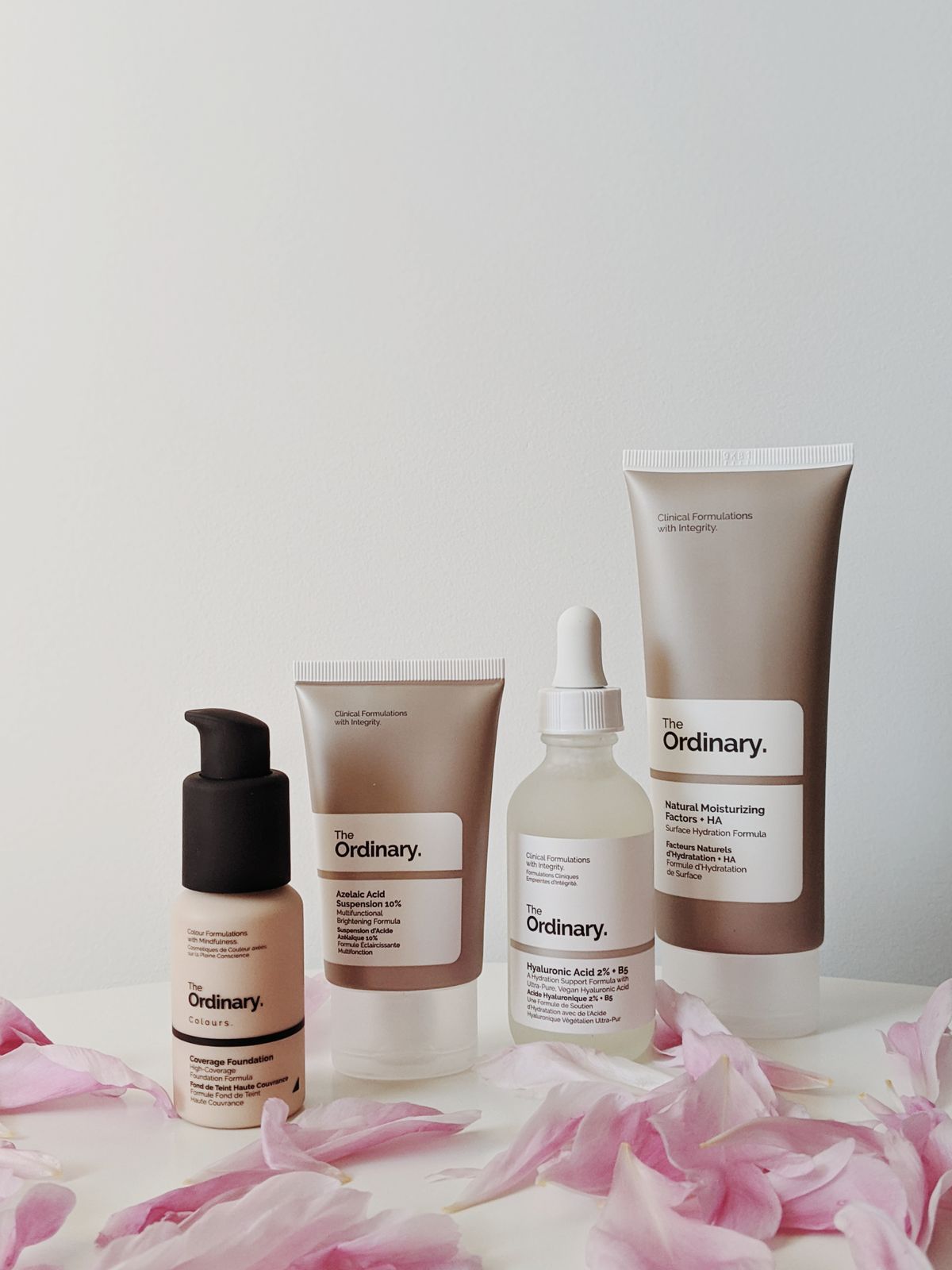
The Ordinary Hyaluronic Acid 2% + B5 ($7) uses multiple weights at a very affordable price. Vichy Mineral 89 ($28) is lighter and excellent for sensitive skin. For a luxury option, Dr. Barbara Sturm Hyaluronic Serum ($300) is lovely but not functionally superior to options at a fifth of the price.
The Verdict
Hyaluronic acid is a genuinely effective hydrating ingredient when used correctly. The trick is understanding that it is a team player, not a solo act. Apply to damp skin, follow with moisturizer, and choose a multi-weight formula.
Our rating: 4.0 out of 5. Essential when used right, counterproductive when used wrong.