Vitamin C is arguably the most recommended skincare active on the planet, and also the most misunderstood. Dermatologists praise it. Influencers swear by it. And yet, a surprising number of people who use it religiously see no results at all. The reason usually comes down to formulation: vitamin C is notoriously unstable, and a badly formulated serum degrades before it ever touches your face.
We spent three months testing seven of the most talked-about vitamin C serums on the market, ranging from $10 drugstore options to $182 luxury formulations. Each was used every morning for at least four weeks, applied to clean skin before moisturizer and sunscreen. Our goal was simple: find out which ones actually brighten skin tone and reduce hyperpigmentation — and which ones are just expensive water.
The science behind vitamin C is solid. L-ascorbic acid, the most studied form, is a potent antioxidant that inhibits melanin production, boosts collagen synthesis, and neutralizes free radicals from UV exposure. But L-ascorbic acid is also fragile — it oxidizes when exposed to light, air, and heat. A serum that was perfectly formulated in the lab might be half-dead by the time it reaches your bathroom shelf.
SkinCeuticals C E Ferulic remains the gold standard. At $182, it hurts. But the combination of 15% L-ascorbic acid with vitamin E and ferulic acid creates a synergistic network that remains effective for over 72 hours on the skin. Our testers consistently reported visible brightening within two weeks. If budget is no object, this is the one.
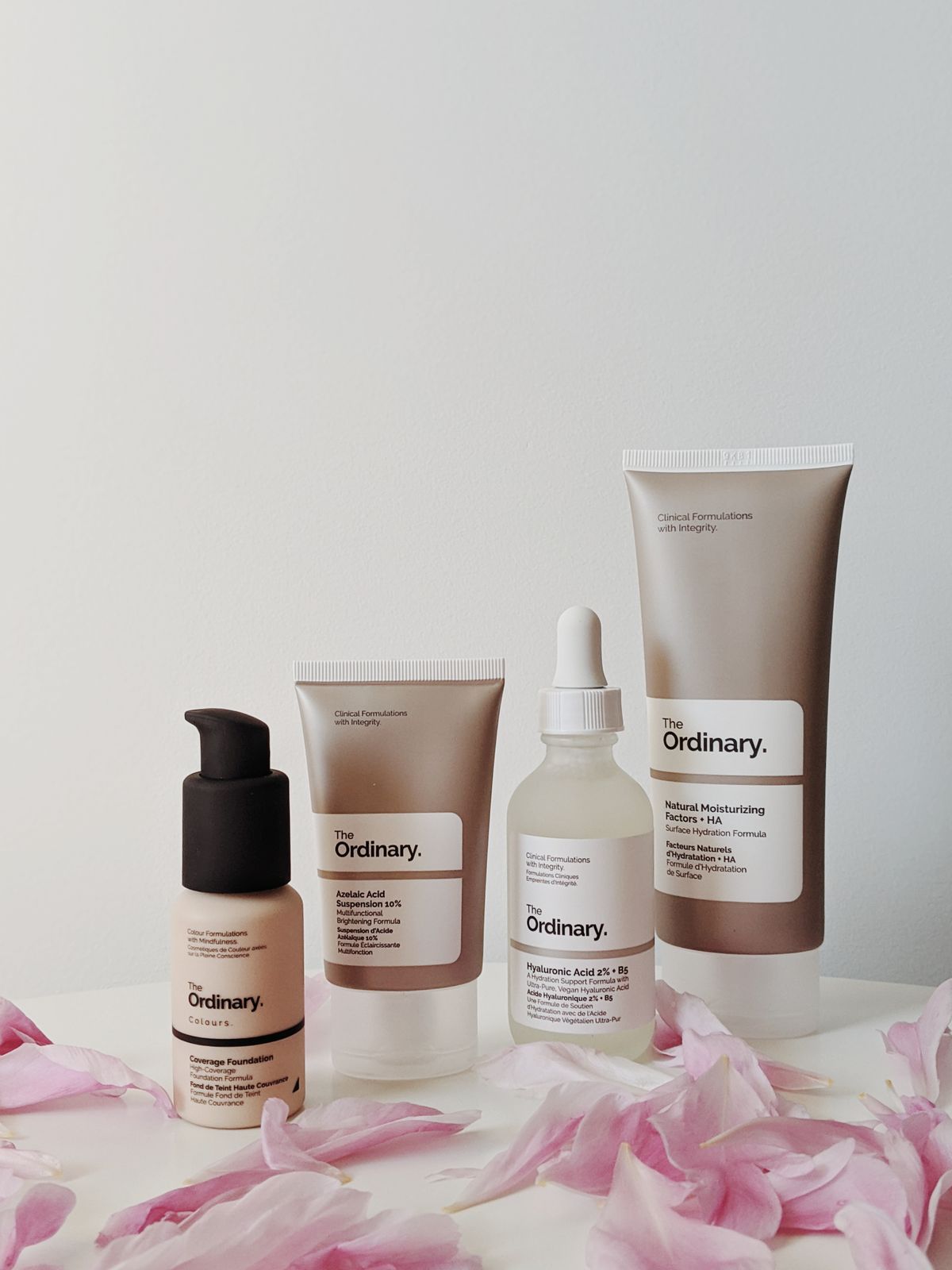
For everyone else, the Ordinary Ascorbic Acid 8% + Alpha Arbutin 2% delivers surprisingly good results at $10. The lower concentration means it takes longer to see results — expect four to six weeks instead of two — but it is noticeably gentler on sensitive skin. The watery texture absorbs instantly and plays well under makeup.
A vitamin C serum that has turned amber or brown has already oxidized. It will not harm your skin, but it will not help it either.

How to Spot a Bad Vitamin C Serum
Color is your first clue. Fresh L-ascorbic acid serum should be clear or very pale yellow. If it looks amber, orange, or brown, it has oxidized. Some brands add tint to disguise this, which is a red flag. Packaging matters too: airless pumps and opaque bottles protect the formula far better than dropper bottles.
pH is the second factor. L-ascorbic acid needs a pH below 3.5 to penetrate the stratum corneum effectively. Many serums formulate at a higher pH to reduce irritation, but this comes at the cost of efficacy. If a brand does not disclose pH, that is often because it is above the optimal range.
Finally, concentration matters, but more is not always better. 15-20% L-ascorbic acid is the research-backed sweet spot. Above 20%, irritation increases without proportional benefit. Below 10%, results are slower but still achievable with patience.
The Verdict
If you want the best results and can afford it, SkinCeuticals C E Ferulic is unmatched. For a budget option that genuinely works, The Ordinary or Paula's Choice are excellent. Skip anything in a clear dropper bottle — it will not last.
Our rating: 4.3 out of 5. Vitamin C works when formulated correctly. The gap between good and bad formulations is enormous.