
If you have ever used a contour powder as an all-over bronzer and wondered why your face looked dirty, or applied bronzer to sculpt your cheekbones and ended up looking sunburned, you are confusing two products that serve opposite purposes. It is incredibly common, and it is not your fault — the beauty industry has blurred the distinction for years.
Bronzer adds warmth. It simulates a sun-kissed glow, as if you had spent the afternoon outdoors. It should be applied to the high points of the face where the sun naturally hits: tops of cheekbones, bridge of the nose, forehead, and chin. The shade should be one to two tones warmer than your skin — never gray, never orange.
Contour adds shadow. It creates the illusion of depth and structure by simulating the areas where light does not naturally fall: under the cheekbones, along the jawline, and sides of the nose. The shade should be cool-toned — slightly gray — because shadows in real life are not warm. This is the critical distinction: warm bronzer for sun, cool contour for shadow.
Using a warm bronzer as contour makes your face look wider and rounder (the opposite of sculpting). Using a cool contour as bronzer makes your face look muddy and gray. Both mistakes are easily avoided once you understand the principle.
Bronzer is where the sun touches. Contour is where the light does not reach. They are opposites, not interchangeable.
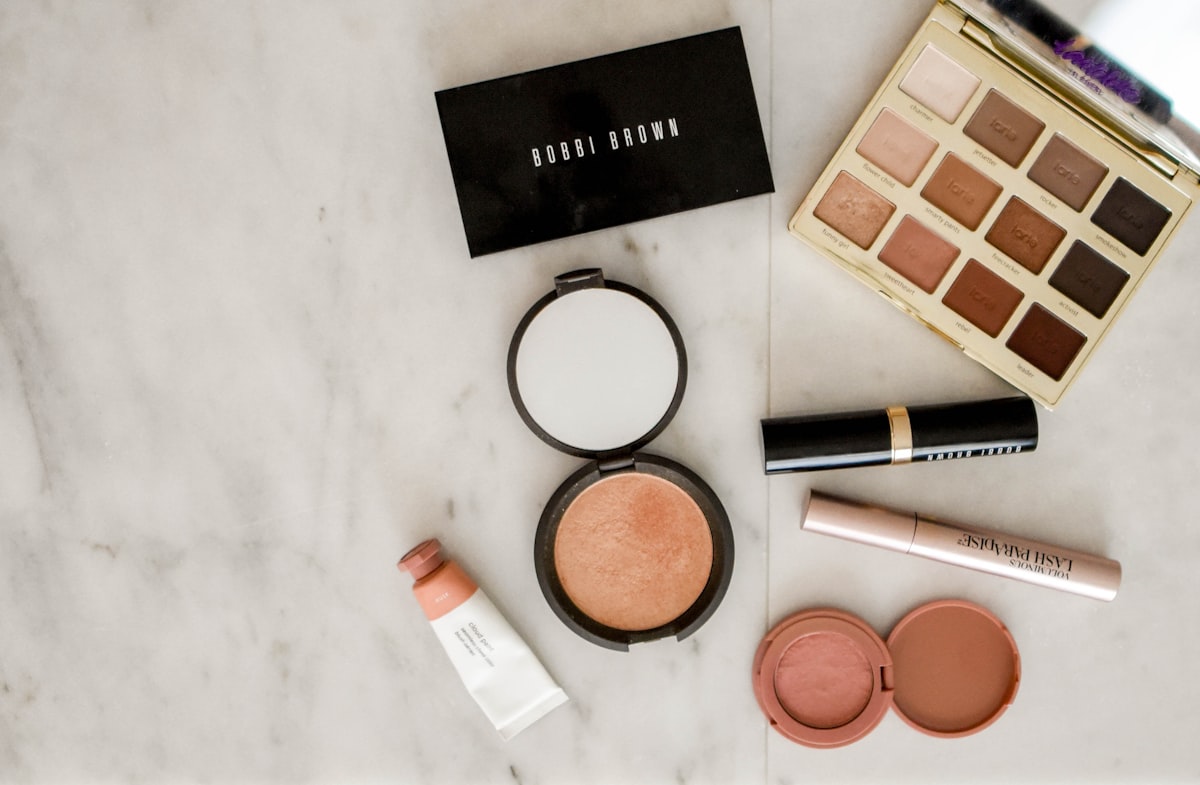
Product Recommendations
For bronzer, the Chanel Les Beiges Healthy Glow Bronzing Cream ($55) is the gold standard. The cream formula melts into the skin for a genuinely natural warmth that powder bronzers struggle to replicate. For a powder option, the Benefit Hoola Bronzer ($30) remains a bestseller because it is virtually impossible to overdo.
For contour, the Fenty Beauty Match Stix Matte Skinstick ($26) in a cool-toned shade is excellent. The cream formula blends seamlessly and the slim stick makes precise placement easy. For powder contour, the Kevyn Aucoin Sculpting Powder ($44) is the industry reference — cool-toned, finely milled, and foolproof.
The Verdict
Understanding the difference between bronzer and contour eliminates two of the most common makeup mistakes. Warm for sun, cool for shadow. Simple in principle, transformative in practice.
Our rating: 4.0 out of 5. A fundamental distinction that dramatically improves makeup application once understood.